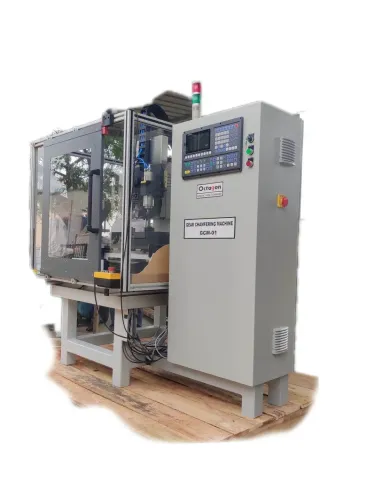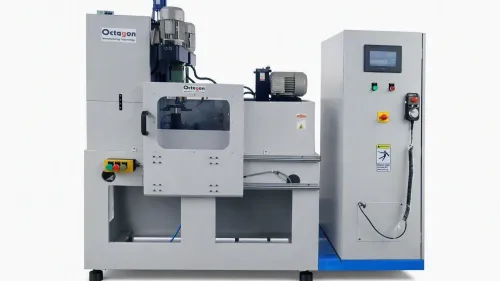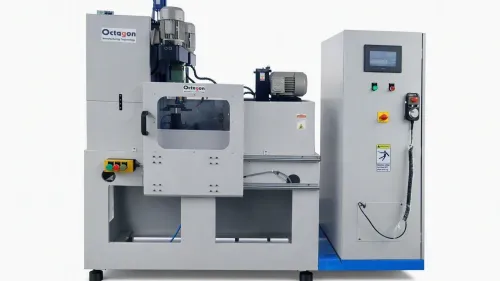

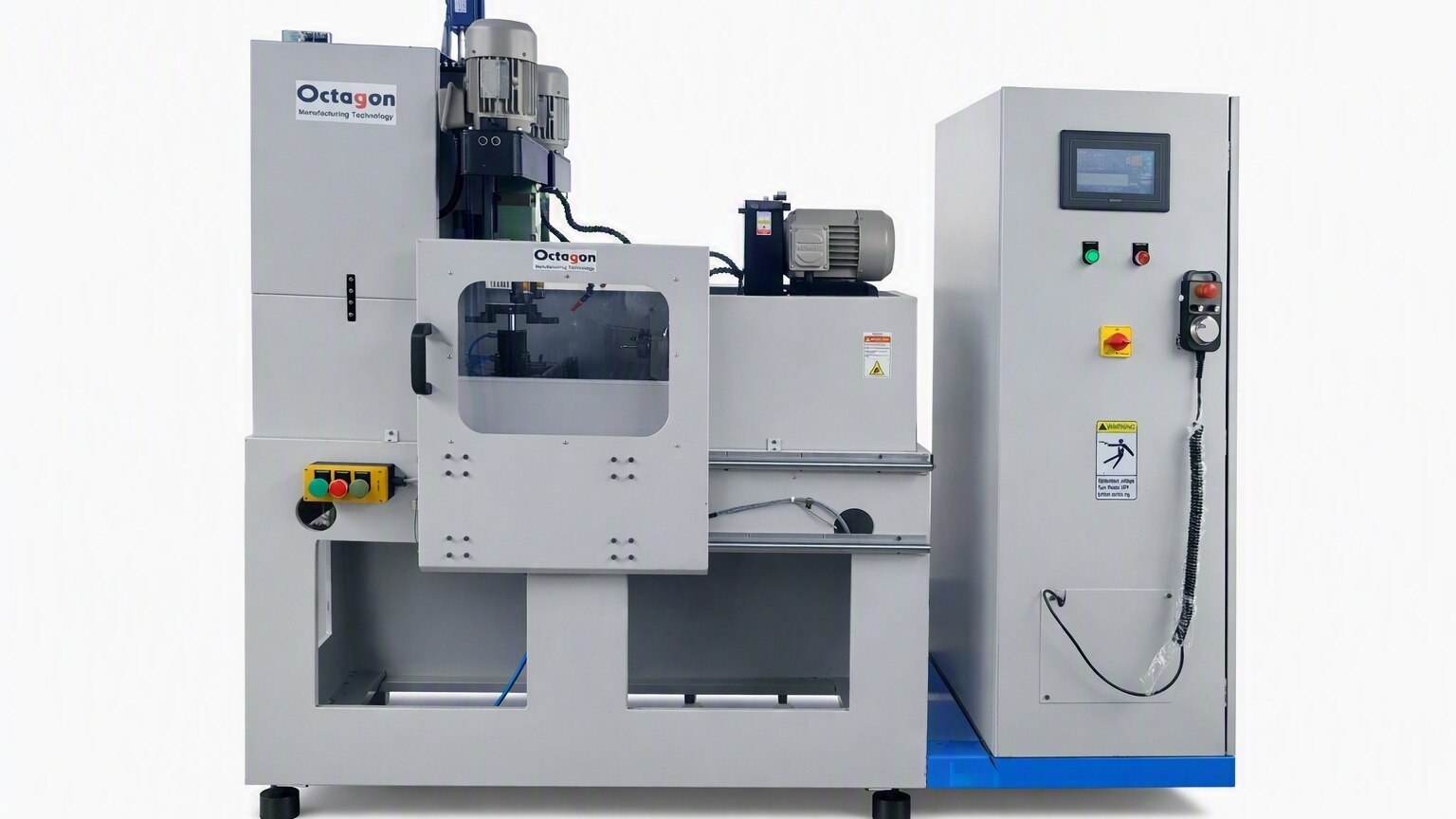
A hole becomes a production problem when its depth, diameter, material and geometry push ordinary drilling beyond stable chip removal and straightness control. Use the part drawing, process risks, production volume and inspection requirements to decide whether you need a dedicated deep-hole system, a modified machining centre, a sliding-head machine or another process.
Key takeaways
- Treat holes at 10:1 depth-to-diameter ratio as deep-hole work.
- Specify bore straightness, diameter tolerance, surface finish and runout.
- Choose gun drilling, BTA, machining-centre or sliding-head equipment by part geometry.
- Include test parts, inspection methods and acceptance limits in the quotation.
What counts as deep-hole drilling, and which manufacturers need it?
A hole becomes deep-hole work at a depth-to-diameter ratio of about 10:1 or greater. As L/D increases, the drill has more distance to deflect, coolant has a harder path to the cutting edge, and chips have less room to escape without recutting or packing.
A deep hole drilling machine in Pune should therefore be specified by maximum L/D ratio, not maximum depth alone.
Industrial deep drilling serves manufacturers of hydraulic and pneumatic components, moulds and dies, engine and transmission parts, shafts, manifolds, and components containing oil galleries or intersecting passages. These applications need long, straight bores or controlled internal passages rather than simply a hole that reaches a stated depth.
| Process | Typical use | Coolant and chip path |
|---|---|---|
| Gun drilling | Smaller-diameter, high-L/D holes | Coolant through the drill; chips return through external flutes |
| BTA drilling | Larger-diameter deep holes | Coolant around the tool; chips leave through the tool |
| Peck drilling | Moderate-depth holes on flexible CNC equipment | Intermittent retraction clears chips; efficiency falls as L/D rises |
Specify the material, hole diameter, depth, straightness and annual volume before choosing the architecture. Gun drilling and BTA are not interchangeable, and oil-hole drilling SPMs suit repeatable fixed passages, while long, straight or difficult-to-evacuate bores need dedicated equipment.
How do you decide whether your part needs a dedicated deep-hole process?
Use a dedicated deep-hole process when the complete part specification, not depth alone, creates a repeatable production problem. Qualify the application against:
- Material and hardness, including stainless steel, nickel alloys or titanium; each can require different tool grades, cutting data, coolant strategy and retract logic.
- Hole diameter, depth, L/D ratio, and whether the hole is blind or through. Treat about 10:1 as the deep-hole threshold.
- Straightness and diameter tolerance, plus entry geometry, exit condition and any intersecting passage.
- Hole count, annual volume, batch size and required cycle-time target.
| Option | What it means | When it applies |
|---|---|---|
| Oil-hole drilling SPM | Dedicated stations drill repeatable oil holes at fixed locations | Stable parts, fixed volumes and predictable hole patterns |
| Gun-drilling system | Guided, coolant-through tooling supports long, small-to-medium bores | Long, straightness-critical holes with controlled chip evacuation |
| BTA system | Larger-diameter tooling carries chips through the tool | Large bores, high material removal or difficult chip evacuation |
An oil passage is not automatically a deep-hole application. Choose industrial deep drilling when length, straightness, diameter, material or evacuation risk controls the result rather than hole location alone.
For low annual volume, small batches or frequently changing designs, a flexible machining centre or outsourced process is safer. A dedicated system earns its cost when tooling, fixturing, inspection and cycle time remain stable across a production family.
What machine and process controls keep a deep bore straight and clean?
Spindle speed alone cannot keep a deep bore straight or clean. A machine specified for deep hole cnc drilling in pune must match the actual tool diameter, material, hardness and permitted drilling envelope.
1. Specify through-tool coolant pressure and flow, the filter’s micron rating, tank capacity and chip-conveyor design. Inadequate flow leaves chips rubbing in the bore; poor filtration blocks a small coolant channel. Size the tank and conveyor for uninterrupted production, not one test hole.
2. Start with a pilot hole or guide bush, control entry-face runout and prevent tool deflection with rigid workholding. Limit breakthrough speed to reduce burrs and edge damage. As depth rises, cycle time and tool wear rise because chip travel, coolant demand and tool deflection increase.
3. Plan blind holes around the drill point, required bottom form and bottom chip space. Program controlled deceleration before the final depth, then retract while coolant clears chips; forcing a packed tool out can seize it or spoil the diameter. A flat-bottom requirement may need a separate operation.
4. Trial every cross-drilled, angled, intersecting or interrupted-exit hole. An intersection can destabilise the tool, interrupt coolant and chip the cutting edge, so do not price it as an ordinary through-hole.
Support long or slender parts, verify concentricity at both ends where accessible, and preserve the drawing’s primary datum scheme. Measure the bore on representative parts, repeat the result across a production batch, and confirm runout, straightness, burr condition and bottom geometry rather than relying on CNC positioning accuracy.
How do machining centres, gun drills, BTA systems and sliding-head machines compare?
Peck drilling suits moderate depths and accessible holes, but repeated retracts waste time and let the tool wander as the depth-to-diameter ratio rises. A machining centre offers the greatest flexibility, while a dedicated process earns its place through straighter bores, faster cycles or higher production volume.
| Option | Diameter range and flexibility | Chip path and guidance | Volume and cycle time |
|---|---|---|---|
| Conventional CNC drilling with peck cycles | Broad tooling range; highly flexible for changing parts | Chips leave through flutes; limited guidance beyond the tool and pilot | Low to medium volume; cycle time increases sharply with depth |
| Machining centre | Small to large holes within spindle and tooling limits; flexible milling and drilling | Internal or external coolant; workholding and tool guidance determine straightness | Prototypes, varied batches and moderate volume; one setup can reduce handling |
| Gun-drilling machine | Usually smaller-diameter deep bores | Coolant travels through the drill; chips return through external flute channels; guide pads support the tool | High repeatability and efficient long-hole cycles |
| BTA system | Generally larger-diameter deep bores | Coolant flows around the tool; chips exit through the tool; rigid guidance is essential | High volume and long bores; fast once set up, but less flexible |
| Lathe with live tooling | Small to medium holes in turned parts; combines turning and drilling | Chuck or collet holds the part; live-tool guidance is limited by overhang | Flexible turned-part batches; cycle time depends on access and chip evacuation |
| Sliding head machine | Small-diameter holes in long, slender bar parts; also turns, grooves and threads | Bar feeding and collet workholding reduce overhang; a guide bush supports the stock | High-volume rod parts; combined operations can shorten total cycle time |
A sliding head machine is not automatically deep-hole equipment. For deep hole cnc drilling in Pune, verify that its drilling spindle, high-pressure coolant, filtration, tooling and chip evacuation are rated for the intended L/D ratio. Specify maximum L/D, not spindle speed or depth alone.
What should a Pune buyer put in the quotation and acceptance specification?
Put the complete application in the quotation request for a deep hole drilling machine in Pune. A spindle-speed figure proves little without the part, process and acceptance evidence behind it.
- Attach the complete part drawing, material grade and hardness.
- State hole diameter and depth ranges, depth-to-diameter ratio, blind or through condition, entry and exit geometry, and every intersecting-hole location.
- Give annual quantity, batch size, hole count and required cycle time.
- Require coolant pressure and flow, filtration rating, tank capacity and chip-handling capacity.
- Specify tooling, pilot-hole or guide-bush arrangements, workholding method, tool monitoring and bore-inspection equipment.
- State the supplier’s permitted drilling envelope for the actual tool, material and required rate.
Write acceptance results into the contract, using representative production material rather than a demonstration coupon.
| Requirement | Acceptance evidence | What it prevents |
|---|---|---|
| Diameter tolerance | Measured bore records at the required rate | Oversize or undersize holes |
| Straightness and concentricity/runout | Bore inspection at entry and depth, with datum reference | Drift despite correct CNC positioning |
| Surface finish and burr condition | Profilometer readings and visual or magnified inspection | Rough walls and blocked passages |
| Bottom form | Depth and bottom-profile inspection for blind holes | Unusable chip space or incorrect tool-point marks |
ISO 230-2 positioning accuracy and repeatability do not prove the finished bore. Pune buyers assessing industrial deep drilling can involve OCTAGON MANUFACTURING TECHONOLOGY when stable part families and repeatable hole patterns justify a dedicated CNC drilling or special-purpose system. Compare total installed process capability—not machine price—including tooling, coolant, filtration, chips, workholding and inspection.
Related product
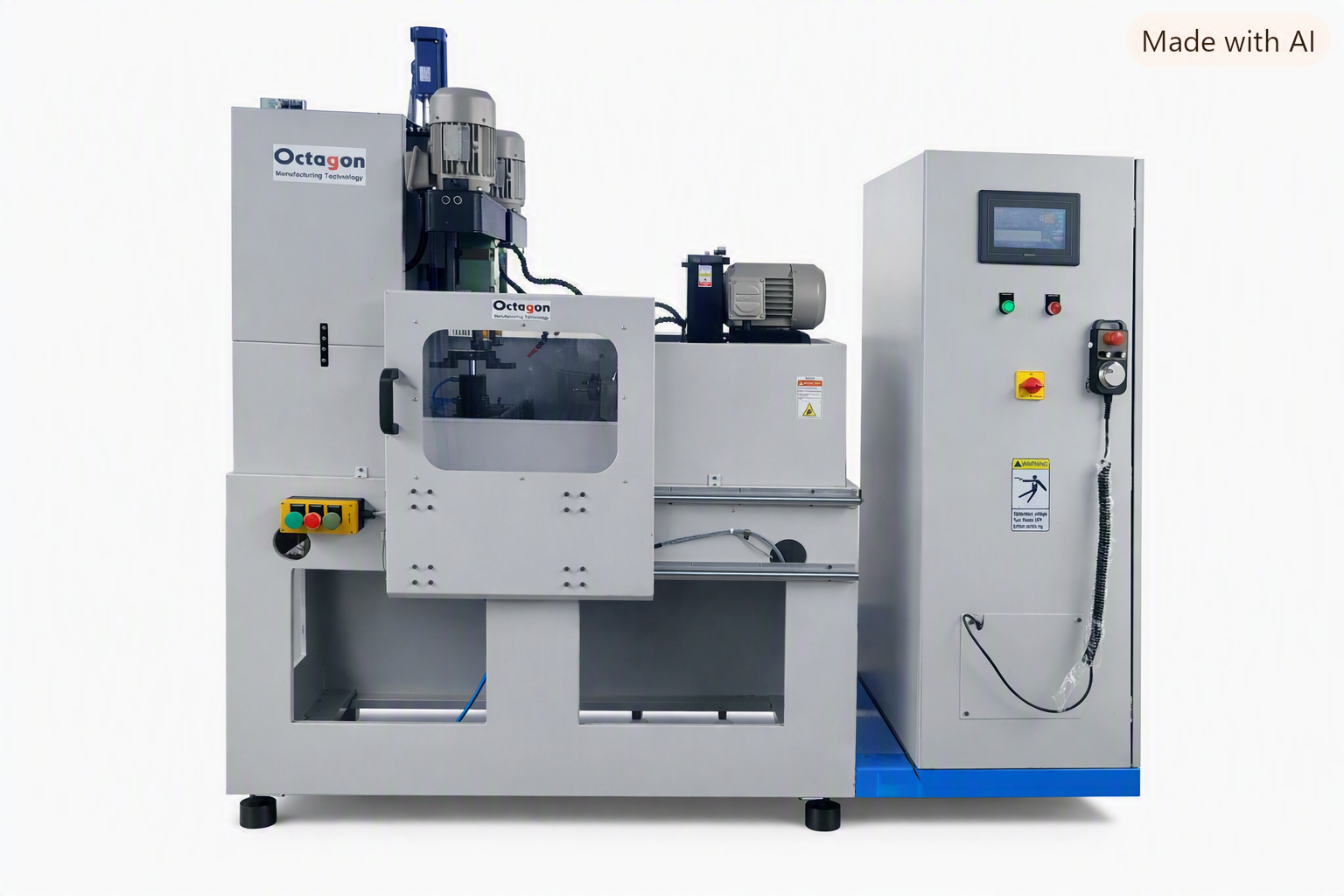 | cnc High-productivity 4-spindle CNC oil hole drilling SPM designed for accurate, repeatable and high-volume drilling operations. View product → |
Frequently asked questions
What counts as deep-hole drilling?
A hole with a depth-to-diameter ratio of about 10:1 or greater is generally treated as deep-hole work because tool deflection, coolant delivery and chip evacuation become harder to control.
How do you know whether a part needs a dedicated deep-hole process?
Review the hole’s length-to-diameter ratio, required straightness, diameter tolerance, surface finish, material, production volume and access for coolant and chip removal. A dedicated process becomes more valuable when conventional drilling produces drift, burrs, poor finish or unstable cycle times.
How do machining centres, gun drills, BTA systems and sliding-head machines compare?
Machining centres offer flexibility for varied operations; gun drills suit smaller, deep, accurate holes with internal coolant; BTA systems suit larger diameters and high-volume deep boring; sliding-head machines suit small precision parts when turning and drilling must run in one setup.
What should a Pune buyer include in the quotation and acceptance specification?
State the material, part drawing, hole size and depth, L/D ratio, position tolerance, straightness, diameter tolerance, surface finish, entry and exit conditions, cycle-time target, coolant requirements, tooling, inspection method, sample quantity and acceptance limits.