
An oil hole in a crankshaft, connecting rod or transmission part is defined by more than diameter: its angle, depth, intersections, burr condition and connection to the lubrication circuit all affect production. By the end, you can describe the hole pattern accurately, compare machine architectures, calculate production fit and ask Pune-area suppliers for evidence instead of relying on spindle count or a generic CNC specification.
Key takeaways
- Classify the hole as intersecting, blind, cross-drilled or through-hole before choosing tooling.
- Demand a reachability proof using the complete component drawing and measured hole coordinates.
- Match machine architecture to annual volume, component variants and target cycle time.
- Check probing, tool-life monitoring, chip control and deburring before approving production.
What type of oil hole does your automotive component require?
Start by classifying the passage, because geometry determines tooling, access and deburring. An intersecting lubrication hole joins two drilled passages, as in a crankshaft journal-to-main route; a blind oil passage stops inside the component; a cross-drilled passage enters radially or at an angle; a simple through-hole exits the opposite surface.
| Type | Common application | Main production concern |
|---|---|---|
| Intersecting lubrication hole | Crankshafts, camshafts, connecting rods | Intersection burrs, chip removal and accurate meeting point |
| Blind oil passage | Hydraulic components and some shafts | Controlled depth, straightness and a clean closed end |
| Cross-drilled passage | Gears, transmission shafts and rotating parts | Angular position, entry chamfer and cross-hole deburring |
| Simple through-hole | Connecting rods and basic shafts | Location, diameter and exit-edge quality |
Connecting rods may need a small passage from the big-end or small-end region. Camshafts require passages that follow or intersect rotating features, while gears and transmission parts can need radial or angled holes.
A deep passage becomes less predictable with conventional twist drilling as its length-to-diameter ratio rises; gun drilling or another deep-hole process may be needed.
Before comparing an oil hole drilling machine in Pune or a cnc oil hole drilling machine, record:
- Material and hardness
- Diameter, tolerance, depth and length-to-diameter ratio
- Angular position, entry and exit surfaces, intersection location and chamfer
- Blind or through condition, burr limit and inspection method
How do you prove the machine can reach and drill the complete hole pattern?
A quotation proves complete-pattern access only when the supplier converts your drawing into a fixture, spindle and motion study. Send the supplier:
- Hole diameter and tolerance, depth, angular orientation and datum references
- Intersection coordinates, entry and exit conditions, chamfer size and burr limits
- Component material, heat-treatment condition, sealing surfaces and target cycle time
| Part form | Reach check | Failure to expose |
|---|---|---|
| Round | Rotate the component through every angle; check spindle-nose clearance, tool length and fixture jaws | A tool reaches one hole but strikes the shaft or chuck at another angle |
| Forged | Model flash, pads and datum faces; check clamping distortion and sealing surfaces | The fixture clamps on uneven stock and shifts hole location |
| Irregular | Check component rotation, tool approach, oil-hole exit access and chip evacuation | A blind pocket blocks the tool, coolant or escaping chips |
The study must include the actual fixture jaws, guides, clamps, spindle nose and maximum tool projection. It must show how chips leave the hole rather than merely proving that the tool tip reaches its endpoint.
A four-spindle arrangement improves output only when the holes are identical or suitably matched, share the required angular position and avoid mutual interference. Different diameters, depths or angles require independent spindle adjustment, separate tool offsets or a different station sequence.
Require a solid-model interference study for the proposed CNC oil hole drilling machine, followed by a trial using production material, tooling and coolant—not a generic block. Measure location, diameter, depth, straightness and burrs across the complete pattern before approving automated oil hole drilling.
Which machine architecture fits your volume, variants and cycle-time target?
A dedicated machine is not automatically the best machine: match architecture to annual volume, variant count and the cycle time you must sustain.
| Option | Strength | Trade-off |
|---|---|---|
| General-purpose VMC | Handles changing patterns, programs and mixed operations | Programming, loading and setup time can lengthen the cycle |
| Radial drill | Low-cost manual drilling for prototypes and low volumes | Labour-dependent and less repeatable |
| Multi-spindle drill | Drills matching holes together | Spindle count adds capacity only when holes share diameter, angle and reach |
| Transfer line | Fast sequence for stable, high-volume production | High tooling, fixture and changeover cost |
| Dedicated oil-hole SPM | Short cycle with automatic clamping and repeatable sequencing | Poor fit for frequent design changes or unrelated parts |
Automated oil hole drilling suits a cell that controls orientation, clamping, drilling, chip removal and inspection. A VMC remains the safer choice when patterns change frequently or the component also needs extensive milling and drilling in one setup. A radial drill fits manual or low-volume work, not controlled repeatability or reduced labour.
Reject a dedicated oil-hole SPM when annual volume is low, designs change often, patterns differ widely, or the job is one-off development. Compare oil hole drilling machine manufacturers near Pune using production time, not spindle count.
Calculate required pieces divided by shifts and working days. Then subtract loading, unloading, tool changes, planned maintenance and expected uptime from available time, and compare the remainder with the target cycle. A machine with four spindles still fails capacity if those spindles wait on loading, chip evacuation or mismatched holes.
What process controls make automated oil-hole drilling production-ready?
An automated oil hole drilling cell is production-ready only when it controls the part, process, and inspection result—not just spindle movement. A cnc oil hole drilling machine should document this sequence:
1. Identify the part, confirm orientation with a poka-yoke, clamp it automatically, and verify seating before drilling. Add tool-life monitoring and broken-tool detection so a worn or broken tool cannot create a batch of defective holes.
2. Specify coolant delivery at the tool for deep holes: through-tool pressure and flow, filtration rating, tank capacity, temperature control, guide-bushing design, spindle runout, workpiece support, and chip-evacuation method. A pump rating alone does not prove stable straightness, finish, or tool life.
3. Control chips and residue with filtration, chip removal, and washing. For intersecting holes, define the treatment for partially detached chips and intersection burrs: brushing, abrasive flow, high-pressure washing, or a validated drilling and deburring sequence.
4. Verify hole presence and then test depth, flow, or pressure where the function requires it. Put the inspection method, alarm response, and data retention into the machine specification.
5. Run acceptance trials on the customer’s component, material, coolant, tooling, and target cycle time. Set objective limits for diameter, location, depth, straightness, surface finish, burrs, tool life, first-pass yield, and availability.
Do not accept Cpk figures without documented gauge R and R, sampling plan, machine warm-up state, and tool-wear condition. A generic test block proves little about production capability.
How should you evaluate oil hole drilling machine manufacturers near Pune?
A nearby supplier earns value through faster installation, production trials, spare-part delivery, service response, operator training and ramp-up. Location alone does not prove application competence, so compare evidence rather than travel distance when choosing oil hole drilling machine manufacturers near Pune.
1. Ask for two comparable applications using the same material class, hole geometry, automation level and inspection method. Require a trial on your production component, not a generic test block, using your material condition, coolant, tooling and target cycle time.
2. Make the quotation assign every responsibility. Name the supplier for cutting tools, fixtures, coolant equipment, probing, washing, deburring, inspection, PLC or robot integration, operating documentation, production ramp-up and recovery after a broken tool or quality alarm.
3. Require the CNC specification to state controlled axes, spindle runout, maximum tool length, drilling diameter range, coolant-through-spindle pressure and flow at the tool, filtration rating, tank capacity, temperature control, chip-management method and tool-life or alarm logic. A label such as “CNC oil hole drilling machine” is not enough.
4. Define the operating result before comparing an oil hole drilling machine in Pune: unattended cycle duration, operator interventions per shift, tool life, first-pass yield, availability and the recovery sequence after a fault. Set measured limits for diameter, location, depth, straightness, surface finish and burrs.
Use the same component-based trial and acceptance criteria when assessing OCTAGON MANUFACTURING TECHONOLOGY; do not accept capability claims based only on a machine label or spindle number.
Related product
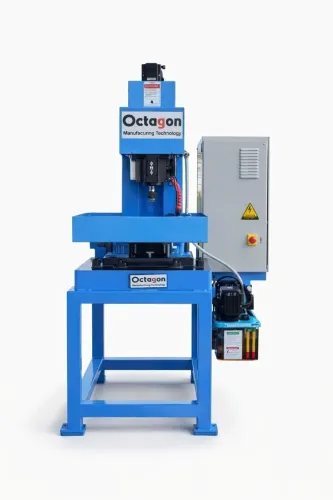
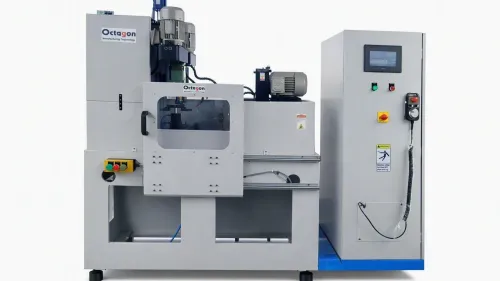
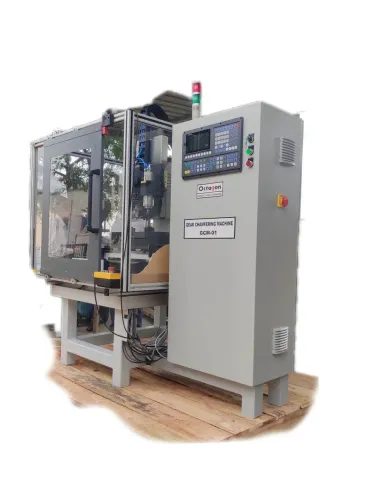
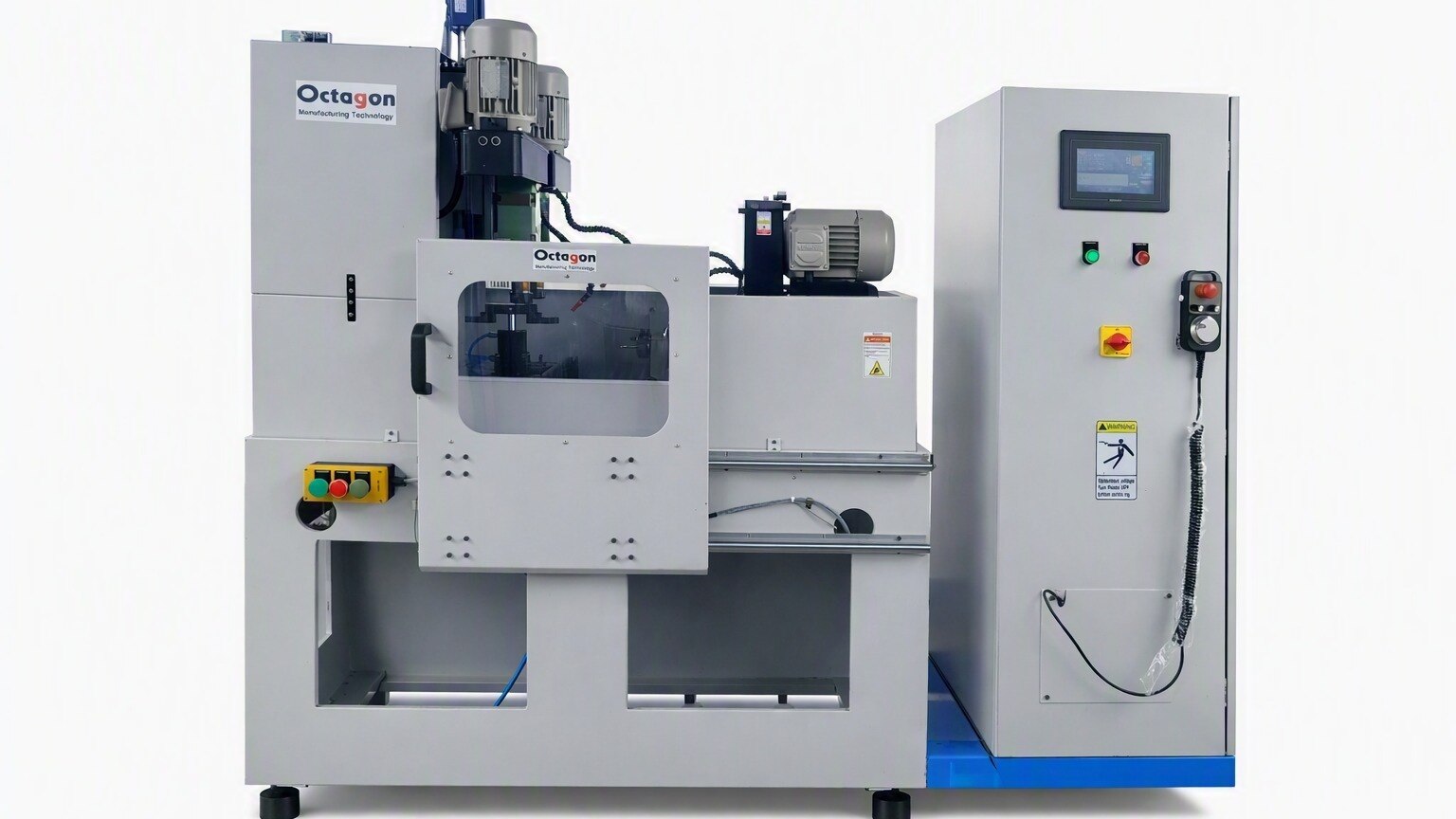
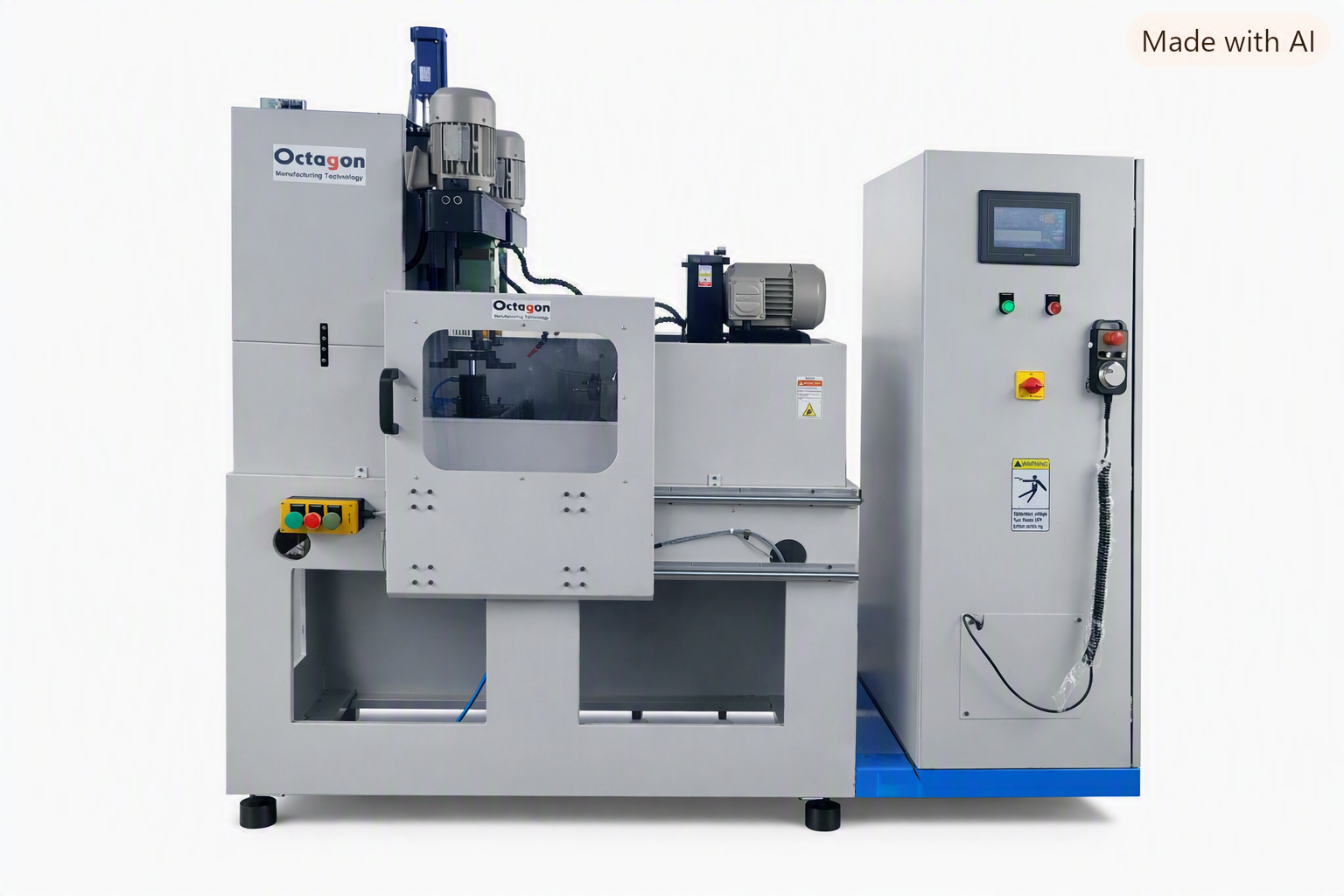 | cnc High-productivity 4-spindle CNC oil hole drilling SPM designed for accurate, repeatable and high-volume drilling operations. View product → |
Frequently asked questions
What type of oil hole does an automotive component require?
Classify the passage as intersecting, blind, cross-drilled or through-hole. The geometry determines spindle access, drill length, intersection accuracy, chip evacuation and deburring.
How do you prove a machine can reach and drill the complete hole pattern?
Submit the complete component drawing, hole coordinates, angles, depths and datum scheme for a reachability study. Confirm tool clearance, spindle orientation, fixture access and inspection of every hole.
Which machine architecture fits volume, variants and cycle time?
Choose a dedicated machine for stable, high-volume production, a flexible CNC oil-hole drilling machine for multiple variants, or a multi-spindle layout when parallel drilling is needed to meet cycle time.
What process controls make automated oil-hole drilling production-ready?
Specify probing, datum verification, tool-life monitoring, broken-drill detection, coolant and chip management, depth control, cycle records and a defined deburring and inspection method.
How should you evaluate oil hole drilling machine manufacturers near Pune?
Compare their application study, sample-part results, hole-pattern reach proof, cycle-time evidence, fixture design, controls, service response and ability to integrate inspection and production data.