
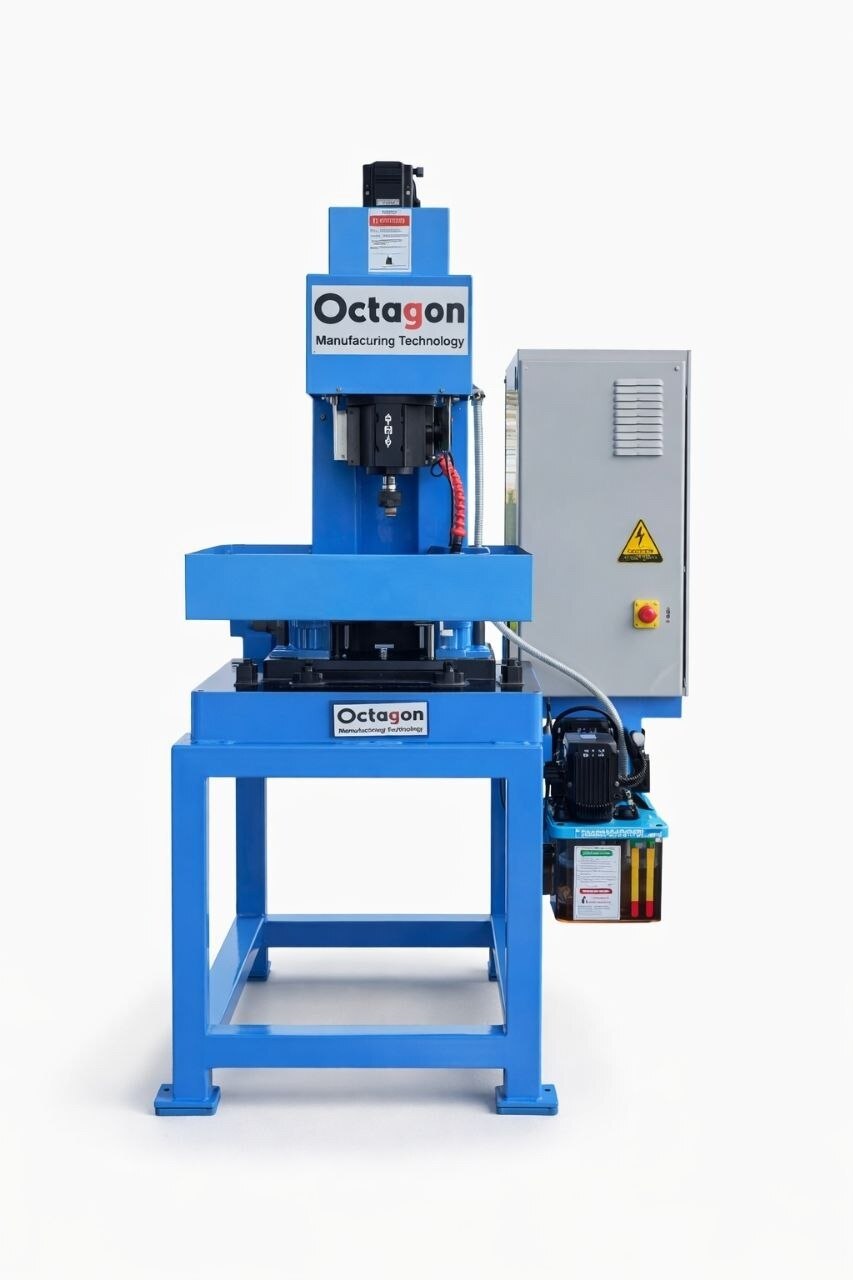
Maintenance priorities change sharply between a complete SPM milling cell and a sliding-head production line. By the end, you will be able to set inspection intervals, identify machine-specific failure signals, and choose the right maintenance support for your production environment in Pune.
Key takeaways
- Match maintenance intervals to spindle hours, cycle counts, coolant exposure and production load.
- Inspect fixtures, clamps, transfers and sensors alongside the SPM milling spindle.
- Clean the sliding-head guide bush, collet, bar path and chip-control points.
- Use alarms, repeatability checks and downtime records to select maintenance support.
Where SPM milling and sliding-head maintenance differ
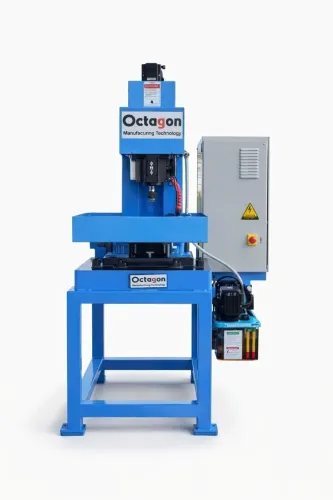
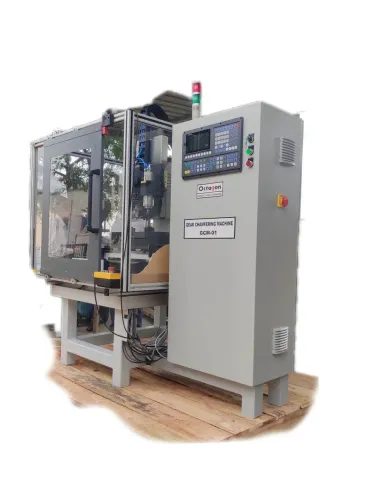
A sliding-head machine usually carries the tighter continuous precision burden; an SPM milling machine carries the broader cell-integration burden. That difference makes one generic CNC checklist inadequate. SPM milling machine maintenance must cover the spindle, dedicated fixture, hydraulic or pneumatic clamping, transfer mechanism, tooling and sensors as one production system.
| Maintenance area | SPM milling machine | Sliding-head machine |
|---|---|---|
| Main failure risk | A healthy spindle can remain idle after a failed clamp sensor, worn locating pin, unstable clamp pressure or failed transfer sequence. | The machine can keep cutting after guide-bush setting, spindle synchronisation or bar quality has degraded. |
| Precision checks | Fixture repeatability, locating-pin wear, clamp pressure, axis backlash, ball-screw condition and automatic lubrication. | Collet gripping surfaces, guideway condition, spindle alignment, main- and counter-spindle synchronisation, live-tool alignment and bar-feed cycles. |
| Specialist skill | Mechanical, hydraulic, pneumatic, PLC and fixture-sequence diagnosis. | Rod preparation, collet and guide-bush setting, encoder synchronisation, C-axis and live-tool diagnosis. |
| Downtime pattern | One failed sensor or transfer step can stop the complete cell. | Small coolant passages, bar-feed faults or spindle mismatch can create scrap before an alarm appears. |
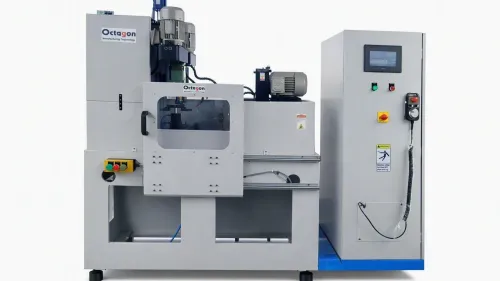
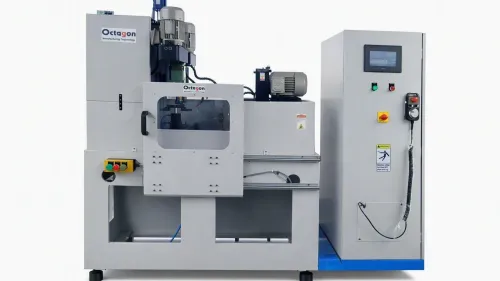
CNC sliding head machine maintenance therefore follows the actual configuration: a chucker setup without a guide bush needs a different inspection from guide-bush production. Clean collets and guide bushes, verify bar runout, inspect narrow coolant passages and check synchronised spindles rather than blaming inserts alone.
SPM records must prove complete load-to-unload repeatability, not just spindle vibration.
Create a maintenance schedule that follows machine use
Base spm milling machine maintenance and engineering component machine maintenance on machine use, not calendar time alone.
Set triggers from the manufacturer’s limits, spindle hours, axis travel, cycle count, bar-feed cycles and coolant loading: a high-volume sliding-head machine can reach wear limits in weeks, while a low-volume SPM can suffer stagnant coolant, seal ageing or corrosion.
- Every shift: review alarm history; listen for unusual spindle noise; check coolant level and concentration, lubrication pressure, air pressure, leaks and chip accumulation; test safety interlocks.
- Weekly: inspect filters, chip conveyors, collets or fixtures, sensor actuation and pneumatic drain performance.
- Monthly: measure coolant pH; remove tramp oil; clean the reservoir; inspect hoses, toolholders, fixtures, guideway lubrication and bar-feeder alignment.
- Quarterly: check axis positioning error, repeatability, spindle runout, clamp pressure and fixture repeatability. After a crash, verify geometry after inspecting damage and reference positions.
- Annually: back up parameters; clean the electrical panel; perform thermal inspection; assess the spindle and bearings; review calibration; test every safety device.
Record each check against the machine state, warm-up condition, coolant condition, tool and fixture identification, measured runout, critical dimensions, alarm history, spindle-load trend and corrective action. After intervention, document controlled test-cut results and first-off approval; a “machine serviced” entry does not prove repeatable production.
Include stable tool life, cleared recurring alarms and confirmed guarding in the acceptance record.
Maintain the SPM milling cell, not only its spindle
A sound SPM milling machine maintenance procedure treats the cell as one production system, not a spindle with accessories. A healthy spindle still stops production when a clamp sensor, transfer sequence, fixture or air circuit fails.
1. Clean every toolholder taper before inspection. Look for fretting, dents and scoring in the spindle taper; check cutter balance, tool wear, fixture chips and vibration during interrupted cuts. A damaged taper can imitate an unbalanced cutter.
2. Check axis backlash, ball-screw condition and guideway movement, then separate mechanical backlash from positioning repeatability, servo following error, thermal drift and fixture movement. Change backlash compensation only after these tests identify the actual source.
3. Inspect hydraulic leakage, clamp-pressure stability, locating-pin wear, part-presence sensor actuation, transfer timing and load-to-unload repeatability. Record the clamped part position, not only the machine’s axis coordinates.
4. Measure pneumatic pressure and flow at the point of use. Check filter blockage, water, oil carryover and automatic-drain operation because clamps, blow-off circuits, door interlocks and sensors may share one air supply.
5. Log coolant concentration, pH, filtration, tramp-oil removal, pump condition and contamination. Dirty coolant can damage valves, pumps, fixtures and dedicated tooling even when the reservoir looks acceptable.
6. After any intervention affecting geometry, clamping or tooling, run a controlled test cut and measure each critical dimension. Use the same check in SPM milling machine service in Pune, rather than releasing production after a reset alone.
Maintain the sliding-head work zone and rod path
A bent bar, poor bar-end preparation or diameter variation can create chatter and poor concentricity before an insert or spindle setting is at fault. CNC sliding head machine maintenance therefore starts at the rod path, not the cutting tool.
1. Clean the collet and inspect its gripping surfaces for scoring, embedded swarf and uneven wear. Check bar diameter, straightness, end squareness and runout before loading; a damaged end can cause collet slippage and insert breakage.
2. Inspect the guide bush for scoring, swarf, correct setting and bore wear. Record its condition separately in chucker mode, where the machine runs without a guide bush; do not blame guide-bush behaviour when no bush is fitted.
3. Check bar-feeder alignment, pusher and guide interfaces, bar-feed cycles, sliding Z-axis guideways and automatic lubrication pressure. Misalignment or inadequate lubrication can add vibration and abnormal wear along the rod path.
4. Verify main- and counter-spindle alignment, bearing noise, synchronised-spindle performance and C-axis orientation. Check live-tool alignment and toolholder runout before changing cutting data; drift can spoil cross-drilling, thread milling and polygon turning.
5. Filter coolant and flush small passages. Log concentration, pH, tramp-oil removal and reservoir cleanliness because fines and oil can restrict delivery, alter guide-bush behaviour and shorten tool life.
6. Record each finding under the engineering component machine maintenance history, linking poor concentricity, chatter or wear to bar preparation, collet grip, guide-bush setting, toolholder runout or coolant delivery. That evidence produces a better diagnosis than repeated offset changes.
Use fault evidence to choose the right maintenance support in Pune
A taper mark or rising runout starts with toolholder seating, spindle-taper damage and bearing inspection—not an offset change. Poor hole location requires checks of fixture location, axis positioning, backlash, thermal drift and sensors. Chatter points to cutter balance, interrupted-cut conditions, bar or guide-bush condition and clamping; overheating points to lubrication, coolant flow and bearings.
Collet slippage sends you to gripping surfaces and bar ends. Following errors or recurring servo alarms require alarm-history review, cable and drive checks, reference-position verification and escalation before repeated resets. OCTAGON MANUFACTURING TECHONOLOGY is one Pune-based option to assess when the machine is an application-specific production cell rather than a standalone spindle.
After a crash, use this order:
- Identify the failed component and inspect mechanical damage and runout.
- Verify reference positions, toolholder or turret seating, fixture location and guide-bush setting.
- Make a controlled test cut.
- Measure geometry when alignment or accuracy is uncertain.
| Support choice | Use it when | Verify before appointing |
|---|---|---|
| In-house maintenance | The fault is routine, documented and within your electrical and mechanical skill range | Parameter backups, drawings and a controlled test procedure |
| Independent CNC technician | You need rapid local response for a defined fault | Machine-specific experience, validated spare-parts access and post-service results |
| OEM or specialist cell team | PLC, drive, hydraulic, pneumatic, fixture, geometry or recommissioning work is involved | Complete-cell capability, response time and documentation |
For “spm milling machine sliding head machine for maintenance in pune”, judge the provider by the complete cell. That applies to spm milling machine service in pune and cnc sliding head machine maintenance alike.
Related product
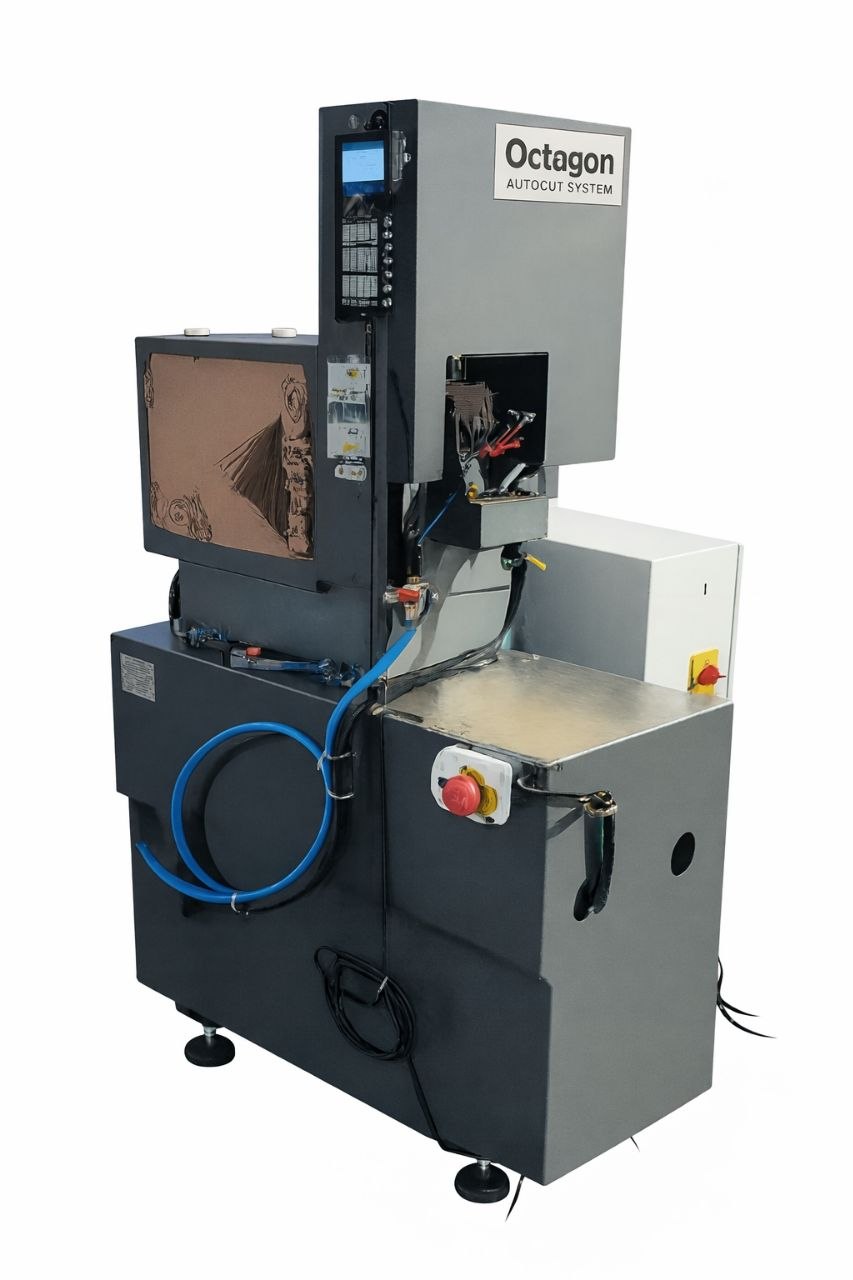 | spm cnc High-productivity CNC sliding head SPM designed for automatic machining of rod-type components. View product → |
Frequently asked questions
How does SPM milling machine maintenance differ from sliding-head machine maintenance?
SPM milling maintenance covers the spindle, dedicated fixture, hydraulic or pneumatic clamping, transfer mechanism, tooling and sensors as one cell. Sliding-head maintenance focuses more heavily on continuous precision through the spindle, guide bush, collet, bar path and work zone.
How should you create a maintenance schedule for these machines?
Set tasks against spindle hours, cycle counts, coolant exposure and production load rather than relying only on calendar dates. Use daily operator checks, planned inspection intervals and condition-based work triggered by alarms, vibration, repeatability loss or rising scrap.
What should you maintain in an SPM milling cell?
Inspect the spindle and tooling together with the dedicated fixture, clamping circuit, transfer mechanism, sensors, chip evacuation, coolant delivery and part-location surfaces. A cell fault can appear as a machining defect even when the spindle is healthy.
What should you inspect on a sliding-head machine’s work zone and rod path?
Check the guide bush, collet, bar feeder interface, liner, guide channel, pull-out or remnant path and chip-control areas. Remove chips, inspect wear and confirm that the bar advances without marks, vibration or inconsistent support.
How can fault evidence help you choose maintenance support in Pune?
Provide alarm history, spindle-hour and cycle-count records, repeatability results, photos of wear, scrap patterns and downtime causes. This evidence helps distinguish spindle, fixture, clamping, transfer, tooling, sensor and bar-path problems before service begins.